

AI Agent Development for Controlled Operational Workflows
Build AI agents that handle multi-step processes end-to-end with governed decision-making, structured system integration, and reliable performance in production, designed around your operations, not around what a model can do.
Trusted by Operations-Led Teams







AI Agent Development Services Built for Operational Systems
AI agents are developed as complete operational systems, with workflow design, governed access, integrations, review controls, and monitoring built in from the start.
Identify where agent-driven automation creates measurable value and where operational constraints call for a different approach, before any build begins.
Agent Workflow Scoping
& Feasibility Assessment
Define how the agent interprets requests, retrieves context, chooses next steps, uses tools, and hands off exceptions inside your operating model.
Agent Workflow &
Decision Design
Structure the data inputs, retrieval systems, and context pipelines that agents depend on for accurate, consistent outputs across varying operational conditions.
Data Foundations &
Context Engineering
Build agents around your workflow requirements, whether they support service operations, document-heavy processes, internal teams, or cross-system coordination.
Custom AI Agent
Engineering
Connect agents to CRM, ERP, support platforms, internal tools, databases, and selected legacy systems so they work inside the business, not beside it.
Integration with
Existing Systems
Set action boundaries, approval checkpoints, escalation paths, and fallback behavior to keep the workflow under control as complexity increases.
Human Review, Guardrails &
Exception Handling
Test agent behavior before rollout, then monitor quality, latency, usage, and failure patterns to ensure performance remains stable after deployment.
Evaluation, Monitoring &
Reliability Optimization
Operational Barriers AI Agents
Must Address
Most agent implementations fail in production because they are scoped too broadly, integrated too loosely, or handed over without governance. We build agents that are designed for specific workflows, integrated cleanly, and governed from the start.

Workflows run across fragmented CRM, ERP, inboxes, chat, and internal tools

Broad tool and data permissions create governance risk once agents operate across live systems

Data flowing into agents is inconsistent, unvalidated, or locked in legacy formats

Exception handling breaks when agents face scenarios outside their defined scope

Chained steps across tools and APIs introduce latency and failure risk under real usage

No clear audit trail of what the agent did or why it made a specific decision
Trusted by Growing &
Established Companies
Organizations need clarity on where automation creates value, how it affects operations, and what it will require to sustain. Our role begins at that point of decision.
6+
Years in engineering
and system delivery
90+
AI-skilled product
engineers
50+
Systems
modernized
30+
Clients with 3+
years retention
Kudos from Clients
“BOSC Tech Labs Private Limited has delivered a solution with excellent PageSpeed insights and achieved easy post-launch management for the client. The service provider is highly responsive to the client’s changing requests. Their project management, timeliness, and client-orientedness are exemplary.”

De Ivett
CEO, 5D Spectrum
“BOSC Tech Labs has very good developers. they have a very broad knowledge. they understood exactly my concept and helped to make it mature. BOSC Tech Labs supported me all the way to production. You can see the final product in the App Store HipMeal.com. I will keep working with BOSC Tech Labs in the future.”

Said Zejjari
CEO, HipMeal & HipSmile
“I am satisfied with the way of work. BOSC Tech Labs has remarkably enhanced our proficiency in Flutter software, thanks to their dedicated and transparent approach in education. Their skilled and knowledgeable team has been a standout in our collaborative workflow.”

Brock Bradshaw
Tech Lead, UME
“This is the 1st time I worked with BOSC Tech Labs, which wasn’t a personal recommendation. They delivered above the expected level. Their one-person team expertly developed an MVP with innovation, significantly boosting customer engagement. Their swift approach & consistent delivery beyond expectations made the project a resounding success.”

Samir Lakhani
CEO, Letsplay
“The amazing team to work with, and they provided us with great results. We’re thrilled with the on-time launch of our app’s beta version by the team, which significantly addressed our initial backlog and exceeded expectations. Their proactive project management and impressive quality of deliverables left us and our stakeholders thoroughly impressed.”

Nicholas Lavis
Co-Founder, Lumin
“Thanks to the efforts of BOSC Tech Labs Private Limited, the time required to launch new features has been reduced by 20%. The team has proved collaborative, responsive, and punctual, demonstrating a structured approach that contributed to a seamless collaboration.”

Nils Kröger
Managing Director, Workbase
“BOSC Tech has excellent mobile & web app development skills using Flutter technology. BOSCs expertise in Google Cloud & Flutter is remarkable, showcasing their depth of knowledge and versatility. Their team’s communicative & adaptable approach, with outstanding mobile app development skills, made our collaboration seamless.”

Bojana Miloradovic Parman
Product Development Lead, Airphoto
“The client was satisfied with BOSC Tech Labs Private Limited's efforts. The team provided regular status updates and demo presentations, showcasing excellent project management skills. Moreover, the team was experienced, pleasant to work with, and willing to help with challenging topics.”

Zoran Galic
Founder, QSoft Labs GmbH
“BOSC Tech Labs has successfully delivered complex applications to the client on time. The team has shown professionalism, great insights, and the ability to think through problems and provide scalable solutions. The client has also praised the team's responsiveness and flexible development schedule.”

Andrew Daniels
Founder & Co-Owner, Kaleo Design
“BOSC Tech Labs implemented features for the client's Flutter SDK and created good documentation. The team was helpful and demonstrated an impressive Flutter experience, guiding the client to create a Flutter version of their native SDK. BOSC Tech Labs delivered work on time and communicated quickly.”

Özgür Hangişi
Founder, WebInStats Yazılım Hizmetleri San. ve Tic. LTD. ŞTİ.
AI Agents We Commonly Build & Deploy
We build AI agents around real operational workflows that support operational outcomes by reducing manual coordination, accelerating recurring work, and improving visibility across connected systems.
Service & Support Workflow Agents
Route requests, gather context, draft responses, and escalate exceptions inside existing service operations without disrupting established processes.
Document Intake & Processing Agents
Read inbound documents, extract structured data, validate outputs, and route exceptions before information moves into downstream systems.
Internal Knowledge & Research Agents
Retrieve relevant internal context, synthesize findings, and help teams work faster from trusted operational knowledge.
Back-Office Coordination Agents
Reduce manual handoffs across approvals, follow-ups, status checks, and recurring internal workflows while preserving visibility and control.
Scheduling & Follow-Up Agents
Manage bookings, reminders, confirmations, and coordination tasks across teams while keeping ownership and timing visible.
Compliance Review & Reporting Agents
Support evidence gathering, policy checks, structured summaries, and review workflows where traceability and controlled oversight matter.
Evaluate Where AI Agent Can Support Your Operations
Our team reviews your workflows, systems, and operational constraints to determine where AI agents can deliver measurable, sustainable value.

How BOSC Scopes, Builds, and Deploys AI Agents
Our delivery path runs from workflow mapping through to production, structured at every stage so you have clarity on scope, system dependencies, and what comes after launch.
Workflow & Requirement Assessment
Map the end-to-end process, ownership points, exceptions, and where agent support is operationally safe and useful.
Use Case Definition & Feasibility Review
Confirm data readiness, tool access, decision boundaries, and success metrics before committing to build.
Data Access, Governance & Context Preparation
Set permissions, retrieval logic, and data foundations needed for reliable execution across varying workflow conditions.
Agent Architecture & Tooling Design
Design the agent's orchestration model, memory architecture, tool integrations, and permission model, all aligned with your infrastructure.
Build, Integration & Evaluation
Build and integrate the agent, then test it against real workflow conditions, edge cases, and failure scenarios.
Deployment, Monitoring & Continuous Improvement
Launch with observability in place and refine performance based on usage, quality, exceptions, and operational feedback.
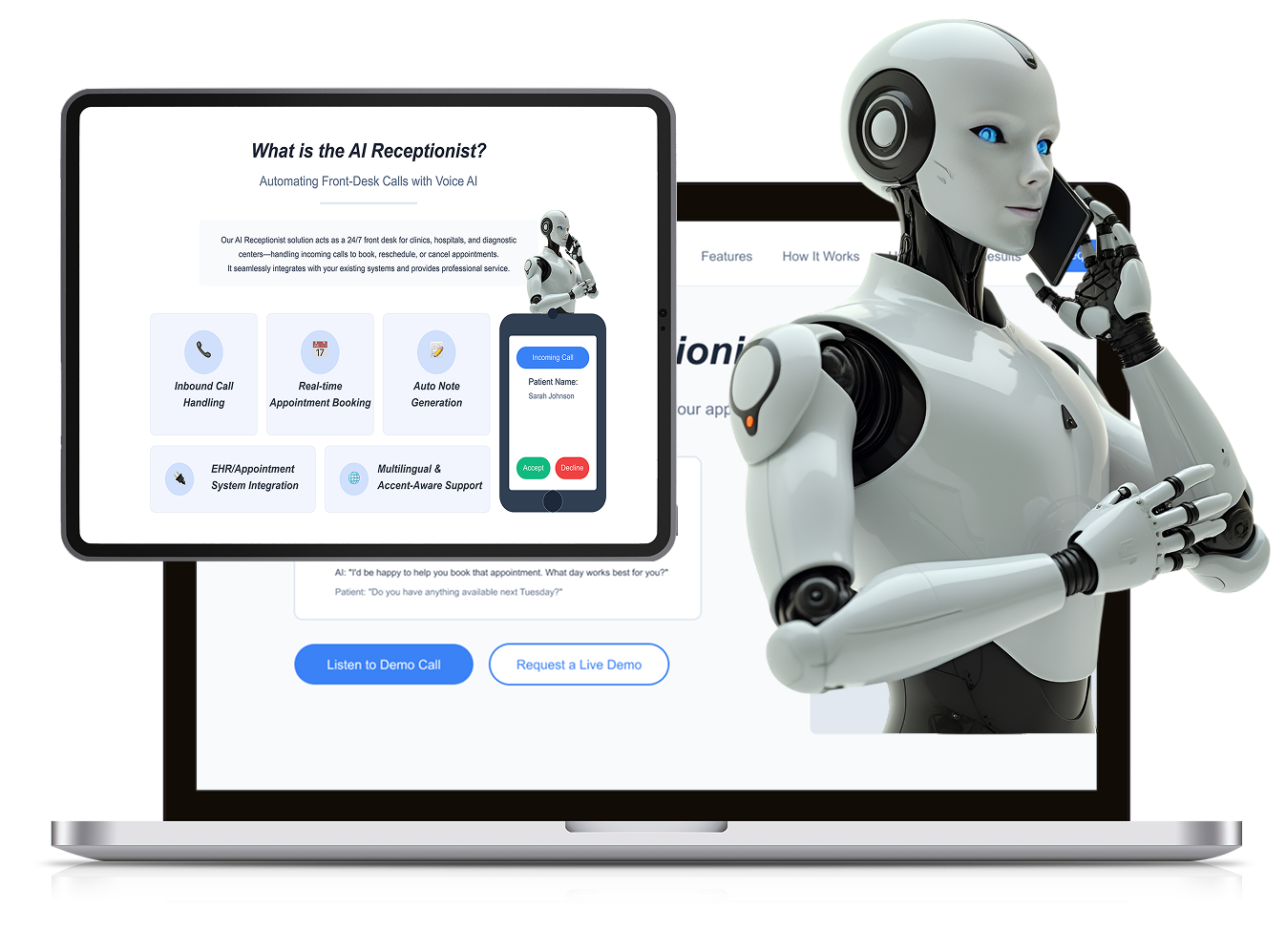
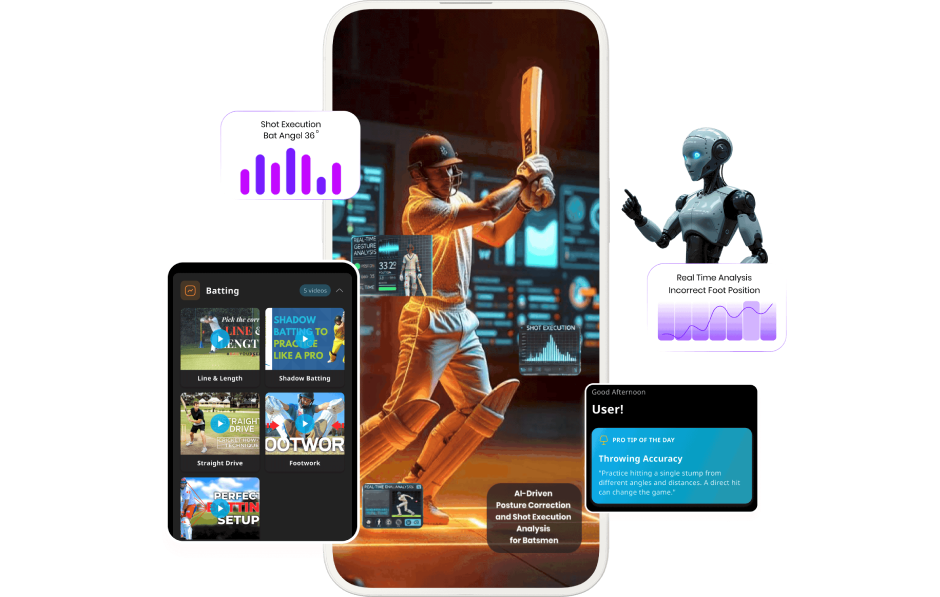
Success Stories Shaped by a Structured Approach
What Sets BOSC Apart in AI Agent Development
BOSC combines practical AI delivery with disciplined engineering so agents fit real operations, integrate cleanly, and remain manageable over time.

Workflow-First Agent Strategy
Start with the business process and workflow logic so agent design is grounded in how work actually moves, not what the model can theoretically do.
Governed Execution by Design
Permissions, review paths, exception handling, and human override are built into the system from the start.
Success Metrics Before Build
Define evaluation criteria, rollout checkpoints, and performance measures before development begins.
Reliable Systems That Reflect Ownership
Design for maintainability, visibility, and operational stability so the system performs consistently as usage and workflow complexity grow.
Industries Where BOSC’s AI Agent Deliver Real Impact
Our work spans industries where teams handle complex workflows, heavy information flow, and high stakes for consistency and speed. We adapt the system design to your operating model and not generic patterns.

Healthcare
Strengthen operational systems and intelligence without disrupting clinical or patient workflows.

Sports
Support performance, analysis, and operational decision-making through data and vision-driven systems.

Media & Publishing
Enable scalable content operations, insight generation, and audience intelligence across platforms.

SaaS & Technology
Modernise and extend platforms to support scale, stability, and continuous product evolution.
Not Sure Which AI Agent Fits Your Operations?
We assess your workflows, operational constraints, and data environment to determine whether AI agents deliver meaningful, measurable value within your day-to-day operations.




Want to Know More
What kinds of workflows are a good fit for AI agents?
AI agents are most useful where teams deal with repeatable decisions, high information volume, cross-system handoffs, and clear rules around approvals or escalation.
How do you keep AI agents from taking the wrong actions?
We define decision boundaries, set permission controls, add validation and review steps, and create escalation paths for scenarios outside the expected operating range.
Can these agents work with our current systems?
Yes. We design agents to work with CRM, ERP, support tools, internal platforms, databases, and selected legacy systems. Where a specific integration has constraints, we identify those during the feasibility assessment before build begins.
Can we host the agent on our own infrastructure?
Yes. We design for deployment in your preferred cloud environment so data access, security, and infrastructure ownership remain under your control.
What affects the cost and timeline of an AI agent project?
Workflow complexity, integration depth, and data readiness are the primary drivers. A focused single-workflow agent typically reaches production in eight to twelve weeks.
How is an AI agent’s performance measured after deployment?
We define metrics during scoping, such as cycle time, output quality, exception rates, and adoption, then instrument the workflow so performance stays visible after launch.
Perspectives on Engineering, Data, and AI
- AI Agent Development Cost: Get a Detailed Scope and Estimate from BOSC Tech Labs AI Team
 “AI agent cost is not just adding a simple price tag.” If you’re seriously exploring it, you’ve likely already realized that. An AI agent is… Read more: AI Agent Development Cost: Get a Detailed Scope and Estimate from BOSC Tech Labs AI Team
 - The ‘Real Cost’ of Building an AI Solution in 2026
 When you start exploring a futuristic AI solution, the first question that naturally comes up is, “How much will this actually cost me?” It’s a… Read more: The ‘Real Cost’ of Building an AI Solution in 2026
 - How to Build a Successful AI POC: A Step-by-Step Guide (The BOSC Tech Labs Way)
 If there’s one thing leaders quietly admit, it’s this: ‘AI is powerful, and painfully easy to get wrong.’ MIT research shows 95% of enterprise AI… Read more: How to Build a Successful AI POC: A Step-by-Step Guide (The BOSC Tech Labs Way)
Start Your AI Agent Development Journey
Share your requirements and we’ll help you design a scalable AI-driven solution.