
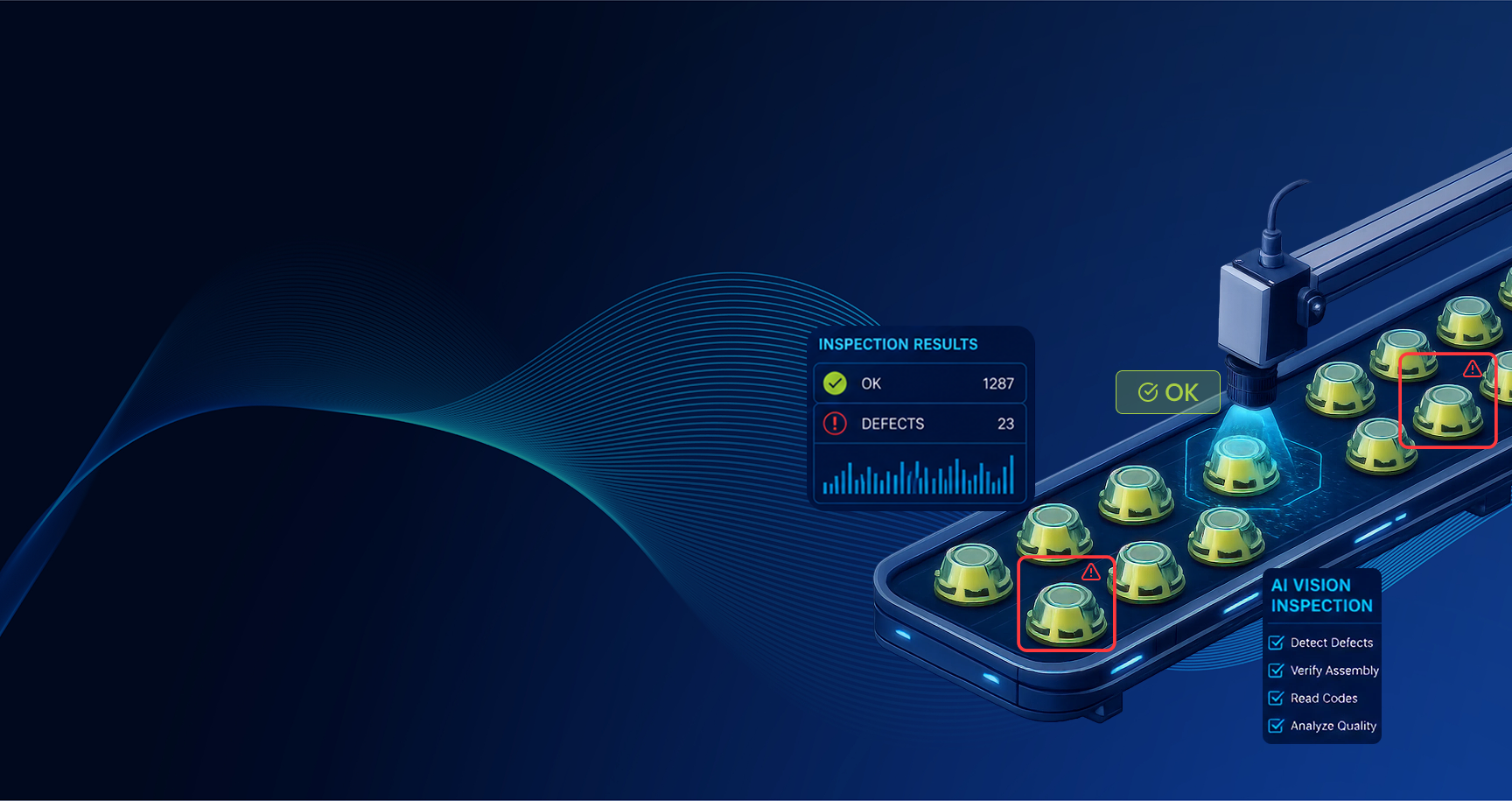
Automated Visual Inspection Systems for Manufacturing and Production
Build machine vision systems that detect defects, verify assembly, read codes, and support reliable operational decisions in production. Each system is designed around your cameras, equipment, inspection rules, and operating constraints to hold up under pilot conditions.
Trusted by Operations-Led Teams







Machine Vision Engineering Services for Quality Control
We engineer vision systems around image-capture conditions, inspection logic, decision rules, line integration, hardware requirements, and performance tuning built for sustained production use.
Define inspection goals, response requirements, throughput expectations, and production constraints before system design begins.
Vision Use Case and Feasibility Assessment
Specify camera type, optics, lighting, and compute architecture based on part variation, surface conditions, line speed, and accuracy needs.
Imaging System Architecture and Hardware Design
Build inspection logic for defect detection, assembly checks, code reading, and measurement tasks using rule-based and learning-based approaches where appropriate.
Inspection Model and Rule Development
Connect vision outputs to PLCs, MES, and ERP platforms, robot controllers, and operator workflows so each detection triggers the correct response.
Line and QA System Integration
Deploy low-latency vision processing when uptime, response time, or on-premises operating requirements make cloud dependence untenable.
Edge Deployment and Runtime Support
Test under live conditions, refine thresholds, reduce false rejects, and track accuracy, throughput, and exception trends after rollout.
Validation, Tuning, and Performance Monitoring
Maintain the system as products, packaging, environmental conditions, and production requirements change over time.
Retraining, Maintenance, and Long-Term Support
Why Visual Inspection Systems Fail to Hold Up in Live Production
Many vision systems perform well in sample runs but lose reliability once lighting, part variation, print inconsistency, and downstream integration issues appear in live production.

Lighting, glare, shadows, and contrast changes affect inspection consistency

Part position, spacing, and orientation vary more than pilot datasets suggest

Similar-looking defects and normal product variation increase false rejects

OCR and barcode reads fail when print quality, motion, or curvature changes

Inspection must keep pace with line speed without creating bottlenecks

Detection outputs need to reach PLCs, robotic cells, MES, or operator workflows reliably

Teams often lack clear pass/fail thresholds, review rules, and escalation logic

What works on one line or SKU becomes difficult to repeat across sites or setups
Trusted by Growing &
Established Companies
Inspection becomes a priority when defects escape, false rejects occur, or inspection bottlenecks affect throughput and quality standards. Our role is to define the right system, integration path, and rollout scope before the build begins.
6+
Years in engineering
and system delivery
90+
AI-skilled product engineers
50+
Systems
modernized
30+
clients with 3+
years retention
Kudos from Clients
“BOSC Tech Labs Private Limited has delivered a solution with excellent PageSpeed insights and achieved easy post-launch management for the client. The service provider is highly responsive to the client’s changing requests. Their project management, timeliness, and client-orientedness are exemplary.”

De Ivett
CEO, 5D Spectrum
“BOSC Tech Labs has very good developers. they have a very broad knowledge. they understood exactly my concept and helped to make it mature. BOSC Tech Labs supported me all the way to production. You can see the final product in the App Store HipMeal.com. I will keep working with BOSC Tech Labs in the future.”

Said Zejjari
CEO, HipMeal & HipSmile
“I am satisfied with the way of work. BOSC Tech Labs has remarkably enhanced our proficiency in Flutter software, thanks to their dedicated and transparent approach in education. Their skilled and knowledgeable team has been a standout in our collaborative workflow.”

Brock Bradshaw
Tech Lead, UME
“This is the 1st time I worked with BOSC Tech Labs, which wasn’t a personal recommendation. They delivered above the expected level. Their one-person team expertly developed an MVP with innovation, significantly boosting customer engagement. Their swift approach & consistent delivery beyond expectations made the project a resounding success.”

Samir Lakhani
CEO, Letsplay
“The amazing team to work with, and they provided us with great results. We’re thrilled with the on-time launch of our app’s beta version by the team, which significantly addressed our initial backlog and exceeded expectations. Their proactive project management and impressive quality of deliverables left us and our stakeholders thoroughly impressed.”

Nicholas Lavis
Co-Founder, Lumin
“Thanks to the efforts of BOSC Tech Labs Private Limited, the time required to launch new features has been reduced by 20%. The team has proved collaborative, responsive, and punctual, demonstrating a structured approach that contributed to a seamless collaboration.”

Nils Kröger
Managing Director, Workbase
“BOSC Tech has excellent mobile & web app development skills using Flutter technology. BOSCs expertise in Google Cloud & Flutter is remarkable, showcasing their depth of knowledge and versatility. Their team’s communicative & adaptable approach, with outstanding mobile app development skills, made our collaboration seamless.”

Bojana Miloradovic Parman
Product Development Lead, Airphoto
“The client was satisfied with BOSC Tech Labs Private Limited's efforts. The team provided regular status updates and demo presentations, showcasing excellent project management skills. Moreover, the team was experienced, pleasant to work with, and willing to help with challenging topics.”

Zoran Galic
Founder, QSoft Labs GmbH
“BOSC Tech Labs has successfully delivered complex applications to the client on time. The team has shown professionalism, great insights, and the ability to think through problems and provide scalable solutions. The client has also praised the team's responsiveness and flexible development schedule.”

Andrew Daniels
Founder & Co-Owner, Kaleo Design
“BOSC Tech Labs implemented features for the client's Flutter SDK and created good documentation. The team was helpful and demonstrated an impressive Flutter experience, guiding the client to create a Flutter version of their native SDK. BOSC Tech Labs delivered work on time and communicated quickly.”

Özgür Hangişi
Founder, WebInStats Yazılım Hizmetleri San. ve Tic. LTD. ŞTİ.
Visual Inspection Systems We Build for QA and Trackability
We build inspection systems that do more than identify what is in view. They support specific monitoring requirements, imaging architecture, and integration workflows.
Inline Defect Inspection Systems
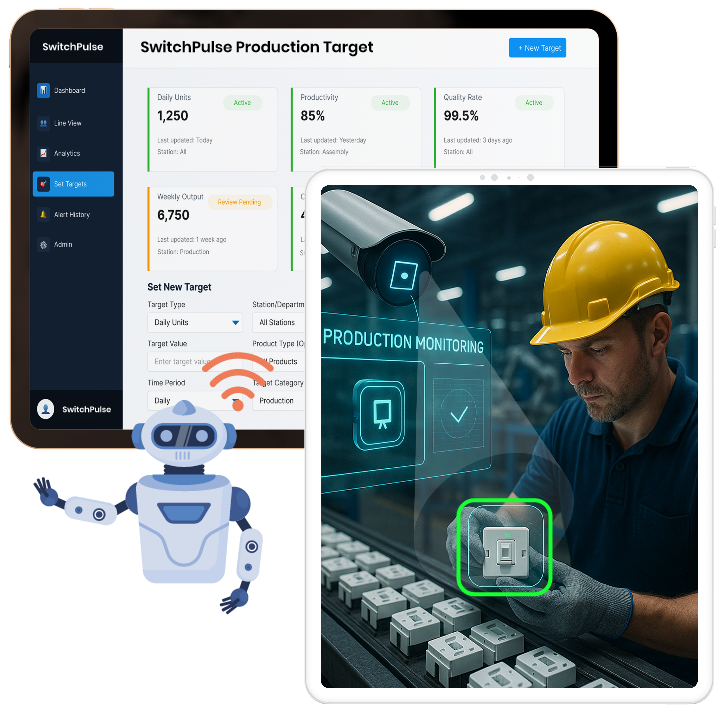
Detect scratches, dents, seal faults, surface inconsistencies, and packaging defects at line speed with automated pass/fail output.
Assembly Verification Systems
Check component presence, placement, orientation, and sequence before incorrect builds move downstream.
Barcode, OCR, and Traceability Systems
Read and verify labels, lot codes, Data Matrix codes, and printed text for compliance, serialization, and exception handling.
Dimensional Gauging and Fill-Level Verification
Measure gaps, edges, alignment, fill levels, and tolerance conditions within defined accuracy thresholds across live production runs.
Guided Positioning and Handling Systems
Provide 2D or 3D positional data for bin picking, conveyor tracking, machine tending, and guided placement.
Line-State Monitoring & Exception Detection
Track line-state conditions, misfeeds, jams, missed steps, and unsafe events with structured alerting and exception escalation logic.
Assess Where Manual Quality Checks Can Be Automated
We review your check process, image conditions, defect criteria, and line constraints to identify where vision automation is feasible and what the appropriate system scope is.
How BOSC Designs and Deploys Visual Inspection Systems
Our approach starts with the production task itself: what needs to be seen, what decision must follow, and how that decision fits the wider line or workflow.
Operational and Environmental Assessment
Audit equipment constraints, lighting, image-capture feasibility, part movement, surface conditions, and the points where the system must make or support a decision.
Use Case Definition and Feasibility Confirmation
Define detection objectives, success thresholds, data requirements, and integration points. Confirm feasibility before any build commitment.
Image Data and Labeling Setup
Establish capture flows, annotation standards, storage structure, and versioning to support repeatable development and future model updates.
Model Development and Calibration
Develop rule-based or learning-based logic against real operating conditions. Validate performance against defined thresholds under expected variation.
System Integration and Pre-Launch Testing
Connect outputs to the required systems, tools, or operator steps. Test against false rejects, missed defects, edge cases, throughput needs, and exception handling.
Deployment, Monitoring, and Ongoing Maintenance
Go live with observability covering model performance, throughput, drift, and exception rates. Retrain and adjust as operating conditions change over time.
Success Stories Shaped by a Structured Approach
What Sets BOSC Apart in Visual Inspection Engineering
Visual inspection work is treated as a complete production system, not a standalone model. Imaging conditions, inspection logic, line integration, and operational ownership are designed together from the start.
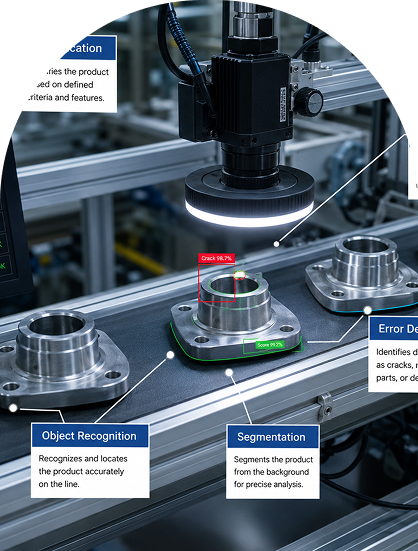
Clear Criteria Before Building
Define what should pass, what should fail, what should be reviewed, and what should trigger action before engineering begins, so the system is built around real acceptance standards.
Designed Around Real Capture Conditions
Account for lighting, glare, movement, surface variation, camera placement, and line speed, rather than assuming controlled image conditions.
Right Logic for the Task
Combine rule-based methods, trained models, OCR, measurement logic, or anomaly detection, depending on what the check actually requires.
Useful Outputs, Not Just Detections
Every result is connected to a clear next step, whether that means pass/fail output, operator review, rejection, alerting, or record creation.
Industries Where BOSC’s Visual Systems Deliver Real Impact
Our work spans industries where teams handle complex workflows, heavy information flow, and high stakes for consistency and speed. We adapt the system design to your operating model and not generic patterns.

Healthcare
Strengthen operational systems and intelligence without disrupting clinical or patient workflows.

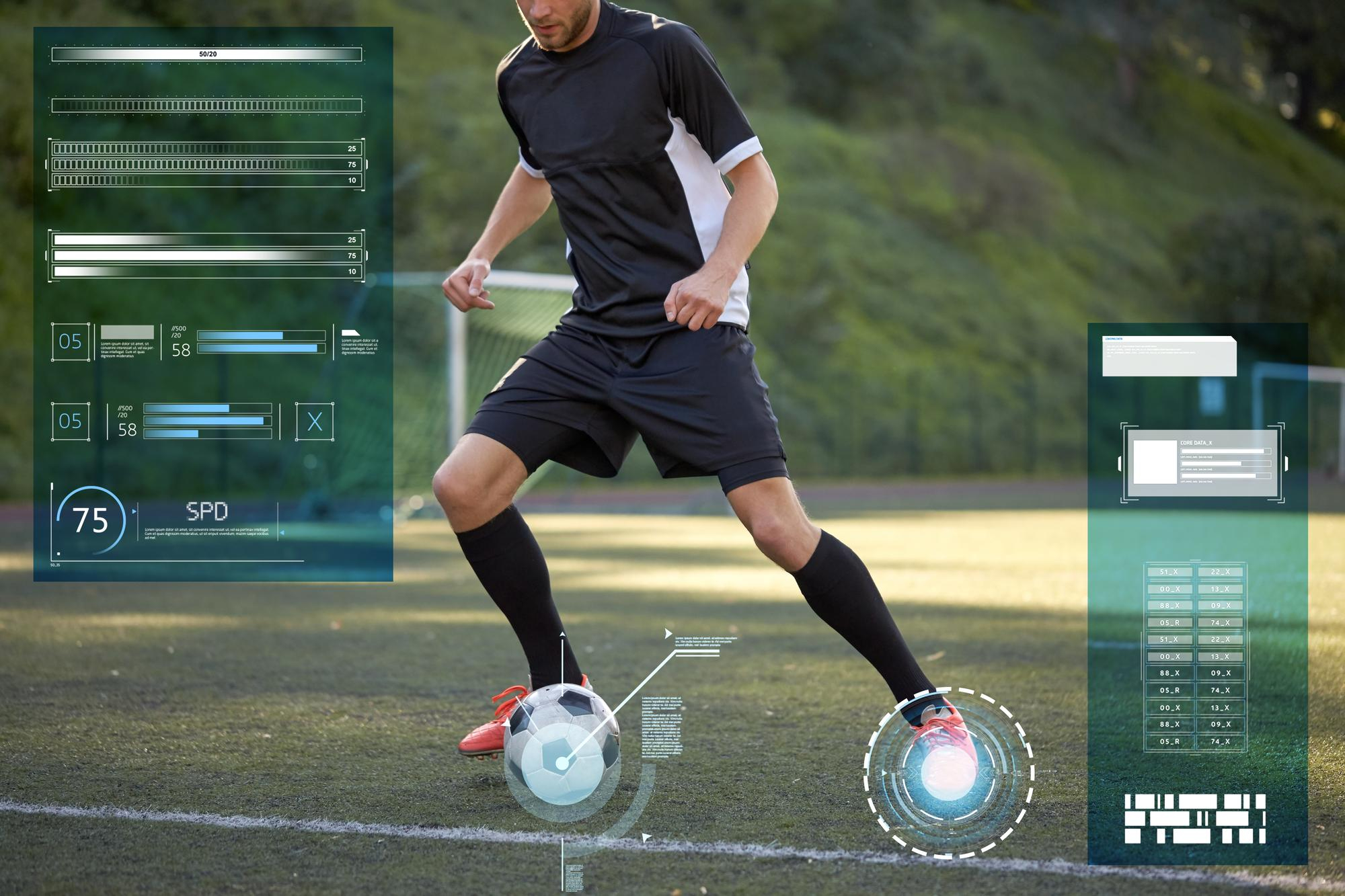
Sports
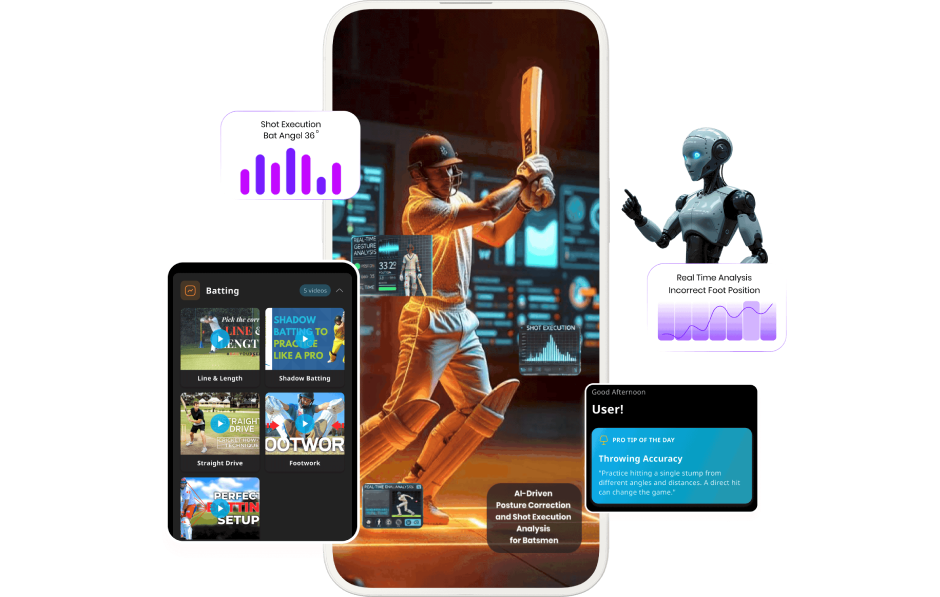
Support performance, analysis, and operational decision-making through data and vision-driven systems.
Media & Publishing
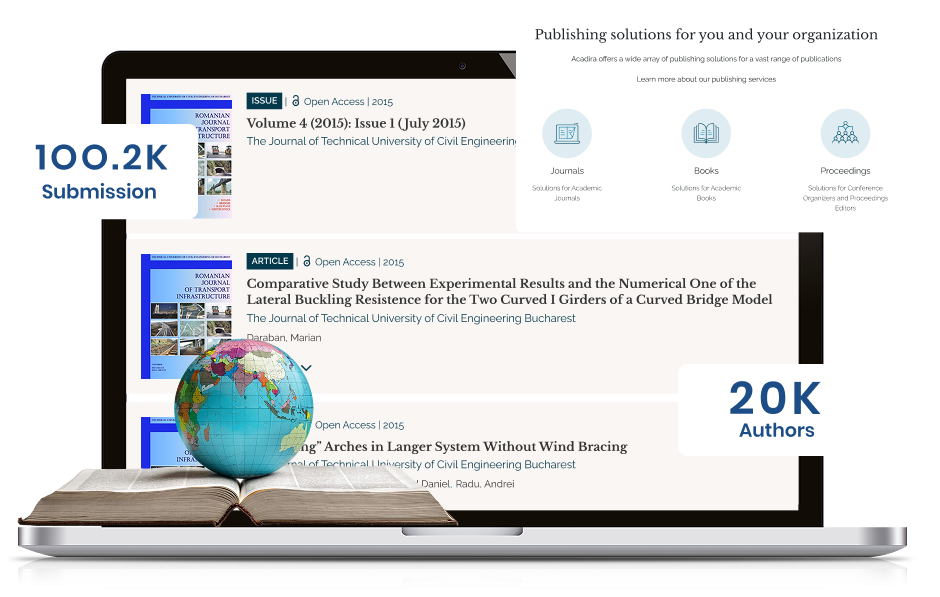
Enable scalable content operations, insight generation, and audience intelligence across platforms.

SaaS & Technology
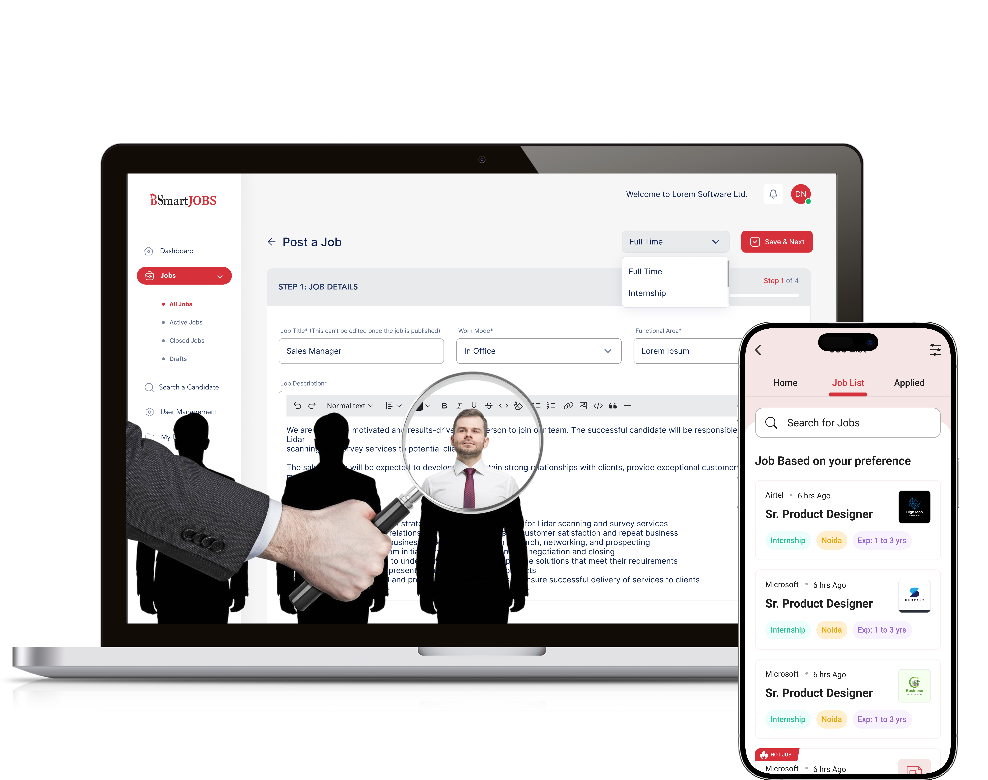
Modernise and extend platforms to support scale, stability, and continuous product evolution.

Manufacturing
Improve inspection quality, defect detection, and shift-level decisions through AI and vision systems built for the factory floor.
Not Sure Whether Your Inspection Use Case is Ready for Automation?
We assess your inspection task, imaging conditions, and line constraints to identify feasibility and the right system scope.


Perspectives on Engineering, Data, and AI
- IT Solutions for Manufacturing: 8 Systems That Cut Downtime, Defects and Cost
 IT solutions for manufacturing are software, data, cloud and AI systems that help a plant make more good parts with less downtime, scrap and manual… Read more: IT Solutions for Manufacturing: 8 Systems That Cut Downtime, Defects and Cost
 - Why Businesses Need AI Transformation to Stay CompetitiveArtificial intelligence is moving from an experimental technology to an important part of how modern businesses operate. Companies are using AI to automate workflows, analyze… Read more: Why Businesses Need AI Transformation to Stay Competitive
- AI HR Automation: How to Automate Payroll, Compliance, and Workforce WorkflowsAI HR automation uses artificial intelligence, workflow automation, document processing, and system integrations to reduce repetitive HR work and improve how businesses manage employee data,… Read more: AI HR Automation: How to Automate Payroll, Compliance, and Workforce Workflows
Want to Know More
How do you assess whether our manual inspection process is ready for automation?
We assess whether the defect or condition can be captured clearly, whether pass/fail criteria can be defined, and whether the result can lead to a consistent next step, such as review, rejection, or alerting.
What types of visual checks can you automate?
We support checks for surface defects, missing components, assembly errors, label issues, code readability, fill levels, alignment, packaging consistency, and other visible conditions that affect product acceptance.
Do we need labeled images before the engagement can begin?
Not always. Existing images help, but the first step is to review image quality, defect types, variation, and acceptance criteria. From there, we define whether the system needs labeled examples, reference samples, rule-based logic, trained models, or a combination.
Can you work with our existing cameras, equipment, and line systems?
Often yes. We assess your current camera setup, lighting, controls, and integration points first, then identify what can be reused without affecting system reliability.
How do you reduce false rejects and missed defects?
We improve reliability by optimizing capture conditions, defining clearer defect criteria, using representative samples, tuning thresholds, establishing review rules, and monitoring as products or operating conditions change.
How do you validate performance before rollout?
We test against real defects, normal product variation, edge cases, lighting changes, throughput needs, false rejects, missed defects, and exception scenarios before the system is expanded.