
Full-Stack Development for Production-Ready Systems
Build, modernize, and extend web applications, internal platforms, and SaaS products with a single engineering team spanning frontend, backend, APIs, data, and deployment — delivered as a coherent system built for reliability, change, and long-term ownership.
Trusted by Operations-Led Teams








Full-Stack Development Services Built for System Delivery
We deliver full-stack engineering as one connected system across application layers, APIs, data, and deployment – structured around clear architecture, ownership, and long-term maintainability.
Define system boundaries, component responsibilities, user flows, and delivery architecture so the product can scale, integrate cleanly, and remain maintainable over time.
System Architecture
& Technical Design
Build responsive web interfaces, portals, dashboards, and progressive web apps (PWAs) with accessible UX, strong performance, and component structures your team can expect.
Frontend Engineering
Engineer business logic, authentication, workflows, and versioned APIs that support web, mobile, real-time, and third-party connected experiences from one stable backend layer.
Backend Engineering
& API Development
Design relational and non-relational data models, query patterns, and access controls so transactions, reporting, dashboards, and future analytics run on a dependable foundation.
Database & Data
Layer Engineering
Connect CRM, ERP, payments, identity, CMS, ecommerce, and internal tools into the product without creating brittle dependencies or manual operational workarounds.
Integration with
Existing Systems
Set up cloud environments, hosting, deployment pipelines, monitoring, and operational visibility to keep releases under control and make production issues easier to detect and resolve.
Cloud Infrastructure, CI/CD
& Observability
Build unified full-stack web applications using React, Node.js, and MEAN or MERN-style architectures where a single JavaScript stack is the practical fit for delivery.
JavaScript Stack
Application
Development
Refactor, migrate, or re-platform legacy applications, portals, CMS, and commerce systems to reduce technical debt and support continued product delivery without a full rebuild.
Legacy Modernization
& Re-platforming
Engineering Challenges That Slow Full-Stack Product Delivery
Delivery slows when frontend, backend, data, and infrastructure decisions are made by separate teams or vendors, resulting in avoidable handoffs and inconsistent software releases.

Frontend and backend built independently, creating integration gaps and inconsistent data contracts

No clear ownership when production issues span multiple layers of the system

Architectural decisions made for immediate delivery without accounting for long-term system behavior

CRM, ERP, payments, identity, and third-party integrations become brittle as requirements expand

Performance, security, testing, and observability are addressed too late in the release cycle

Legacy modules slow roadmap delivery because small changes carry outsized regression risk

Data and AI requirements surface after build, forcing expensive rework into the application layer

Documentation and handover quality are too thin for internal teams to maintain the system confidently
Trusted by Growing &
Established Companies
Organizations need clarity on where automation creates value, how it affects operations, and what it will require to sustain. Our role begins at that point of decision.
6+
Years in engineering
and system delivery
90+
AI-skilled product
engineers
50+
Systems
modernized
30+
clients with 3+
years retention
Kudos from Clients
“BOSC Tech Labs Private Limited has delivered a solution with excellent PageSpeed insights and achieved easy post-launch management for the client. The service provider is highly responsive to the client’s changing requests. Their project management, timeliness, and client-orientedness are exemplary.”

De Ivett
CEO, 5D Spectrum
“BOSC Tech Labs has very good developers. they have a very broad knowledge. they understood exactly my concept and helped to make it mature. BOSC Tech Labs supported me all the way to production. You can see the final product in the App Store HipMeal.com. I will keep working with BOSC Tech Labs in the future.”

Said Zejjari
CEO, HipMeal & HipSmile
“I am satisfied with the way of work. BOSC Tech Labs has remarkably enhanced our proficiency in Flutter software, thanks to their dedicated and transparent approach in education. Their skilled and knowledgeable team has been a standout in our collaborative workflow.”

Brock Bradshaw
Tech Lead, UME
“This is the 1st time I worked with BOSC Tech Labs, which wasn’t a personal recommendation. They delivered above the expected level. Their one-person team expertly developed an MVP with innovation, significantly boosting customer engagement. Their swift approach & consistent delivery beyond expectations made the project a resounding success.”

Samir Lakhani
CEO, Letsplay
“The amazing team to work with, and they provided us with great results. We’re thrilled with the on-time launch of our app’s beta version by the team, which significantly addressed our initial backlog and exceeded expectations. Their proactive project management and impressive quality of deliverables left us and our stakeholders thoroughly impressed.”

Nicholas Lavis
Co-Founder, Lumin
“Thanks to the efforts of BOSC Tech Labs Private Limited, the time required to launch new features has been reduced by 20%. The team has proved collaborative, responsive, and punctual, demonstrating a structured approach that contributed to a seamless collaboration.”

Nils Kröger
Managing Director, Workbase
“BOSC Tech has excellent mobile & web app development skills using Flutter technology. BOSCs expertise in Google Cloud & Flutter is remarkable, showcasing their depth of knowledge and versatility. Their team’s communicative & adaptable approach, with outstanding mobile app development skills, made our collaboration seamless.”

Bojana Miloradovic Parman
Product Development Lead, Airphoto
“The client was satisfied with BOSC Tech Labs Private Limited's efforts. The team provided regular status updates and demo presentations, showcasing excellent project management skills. Moreover, the team was experienced, pleasant to work with, and willing to help with challenging topics.”

Zoran Galic
Founder, QSoft Labs GmbH
“BOSC Tech Labs has successfully delivered complex applications to the client on time. The team has shown professionalism, great insights, and the ability to think through problems and provide scalable solutions. The client has also praised the team's responsiveness and flexible development schedule.”

Andrew Daniels
Founder & Co-Owner, Kaleo Design
“BOSC Tech Labs implemented features for the client's Flutter SDK and created good documentation. The team was helpful and demonstrated an impressive Flutter experience, guiding the client to create a Flutter version of their native SDK. BOSC Tech Labs delivered work on time and communicated quickly.”

Özgür Hangişi
Founder, WebInStats Yazılım Hizmetleri San. ve Tic. LTD. ŞTİ.
Full-Stack Systems Designed by BOSC for Operational Reliability
We build full-stack systems around real product requirements and delivery constraints, and not off-the-shelf packages. Below are representative system types deployed in production environments.
SaaS Product Platforms
Multi-tenant SaaS products with role-based access, account logic, usage visibility, and application architecture designed for sustained feature delivery.
Internal Business Platforms
Operational systems that manage approvals, reporting, workflow coordination, and cross-team execution within a governed, auditable structure.
Customer Portals & Web Applications
Secure customer-facing applications built for transactions, account workflows, self-service experiences, and consistent behavior across devices and user states.
Data-Integrated Dashboards & Portals
Applications that consolidate data from multiple systems to support reporting, exports, and operational visibility across management and leadership functions.
API-First Product Backends
Backend platforms that support web, mobile, partner, and third-party experiences through versioned APIs, governed data flows, and stable service contracts.
Legacy Platform Extensions & Modernized Apps
Refactor or re-platform existing products to reduce technical debt, stabilise integrations, and support continued roadmap delivery without a full rebuild.
Not Sure Where Your Full-Stack Engagement Should Start?
We review your product architecture, integration requirements, and delivery constraints to scope what the engagement should cover and where it should start.

How BOSC Delivers Full Stack Development Services
Our delivery follows a structured path, starting from architecture definition to post-launch evolution. You get clarity on what is being built before development begins, and a reliable engineering partner once it is live.
Product, System & Requirement Assessment
Review the current product, workflows, technical debt, integration dependencies, and delivery constraints to define the real system boundary.
Architecture Definition & Delivery Planning
Set application structure, API contracts, data models, environment needs, and release priorities before engineering work expands.
UX, Application Layer & Integration Design
Translate business workflows into interface behavior, backend logic, permissions, and third-party connection points that can evolve cleanly.
Full-Stack Engineering & Structured Iteration
Develop frontend, backend, APIs, and data interactions in coordinated sprints with code review standards, acceptance criteria, and documentation discipline.
Testing, Performance Validation & Release Readiness
Validate behavior across workflows, integrations, edge cases, and performance conditions to address release risks before production.
Deployment, Monitoring & Ongoing Evolution
Launch with observability, runbooks, and operational controls in place, then continue improving the system through structured post-launch delivery.
Success Stories Shaped by a Structured Approach
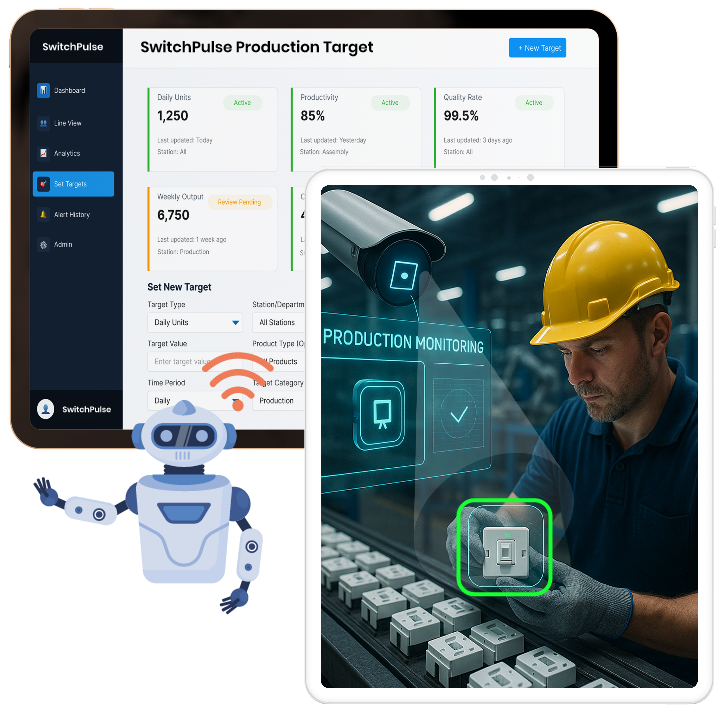
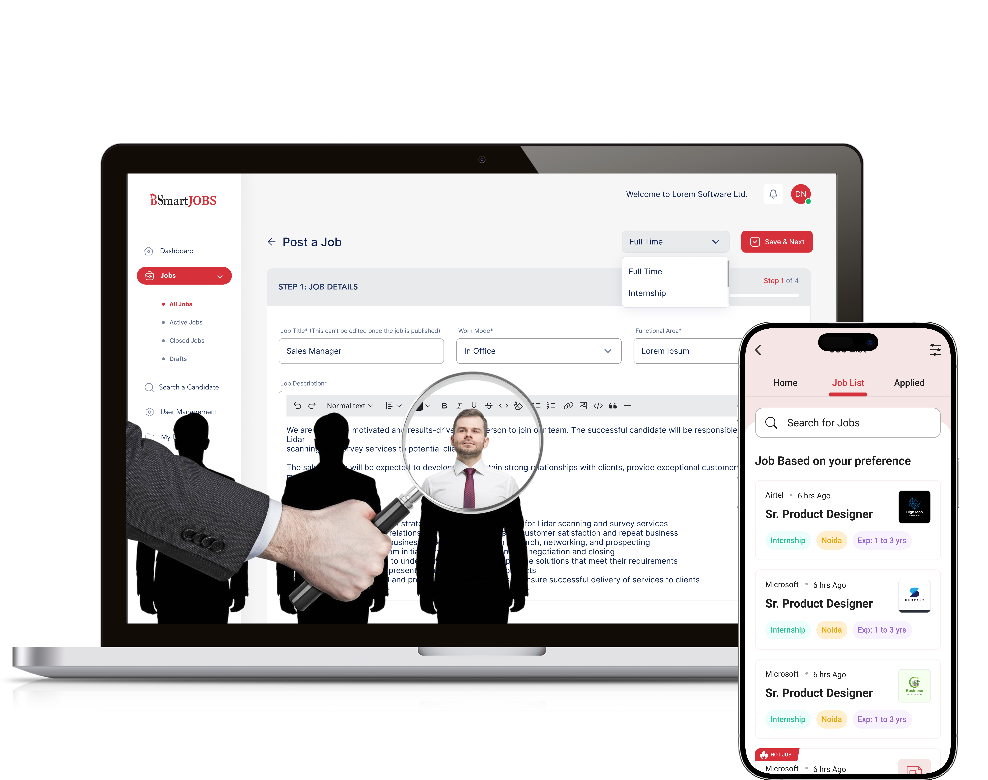
Advantages of a Structured Full Stack Engineering Model
Full-stack delivery is only reliable when a single team owns the architecture, build, integration, and ongoing performance. BOSC brings these structural advantages to every engagement.

Single-Team Ownership Across the System
Frontend, backend, APIs, data, and deployment fall under a single engineering path, reducing handoff risk when issues span multiple layers.
Architecture Planned for Change, Not Just Launch
System decisions account for feature growth, data expansion, integration complexity, and release continuity beyond the first production version.
Reliability Controls Built Into Delivery
Testing discipline, observability, release controls, and performance validation are treated as part of engineering delivery rather than afterthoughts.
Cleaner Handover and Lower Dependency Risk
Documentation, runbooks, and consistent technical context make it easier for internal teams to operate, extend, or transition the system when needed.
Industries Where BOSC’s Full Stack Teams Deliver Impact
Our work spans industries where teams handle complex workflows, heavy information flows, and high stakes for consistency and speed. We adapt the system design to your operating model and not generic patterns.

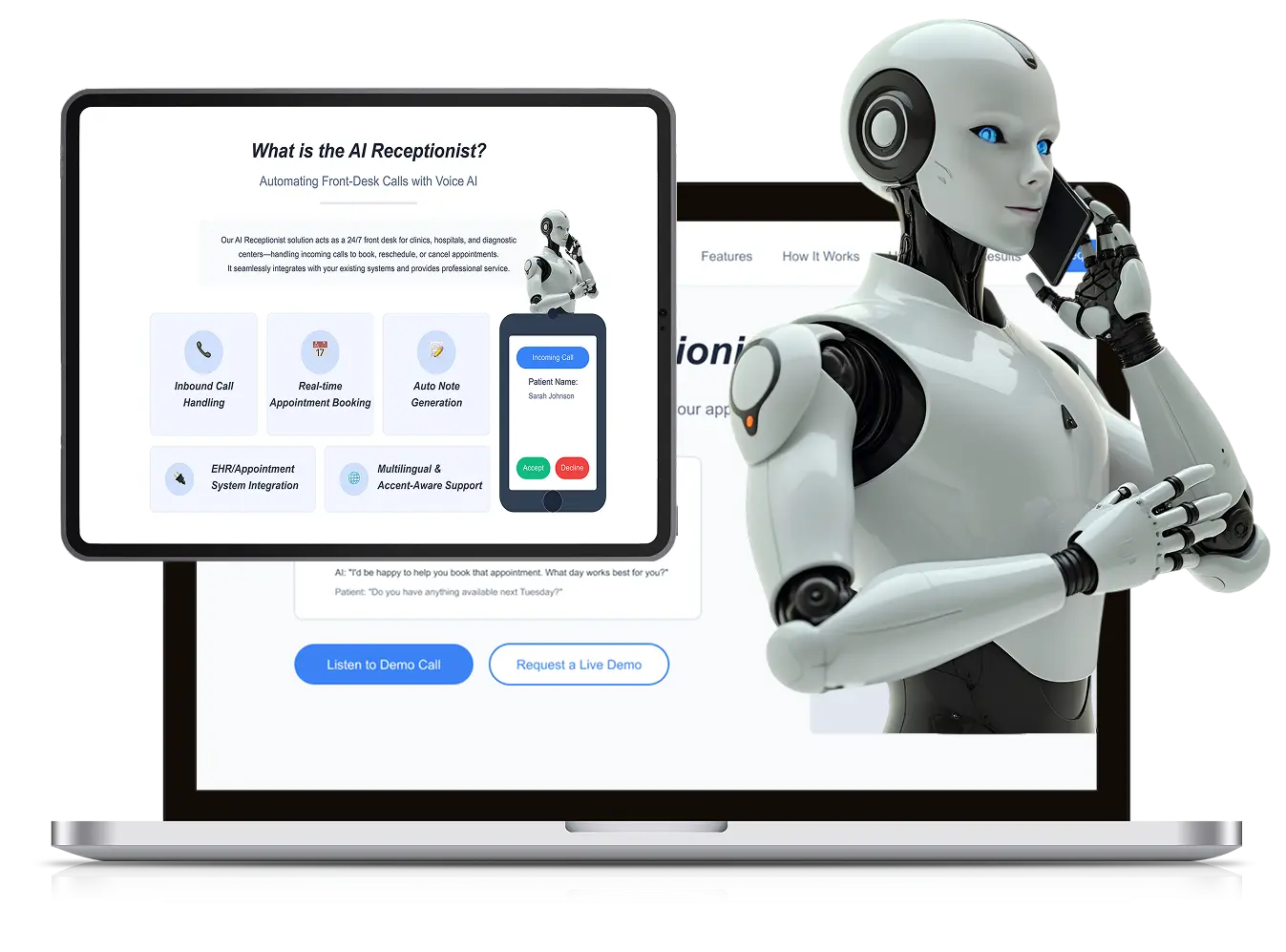
Healthcare
Strengthen operational systems and intelligence without disrupting clinical or patient workflows.

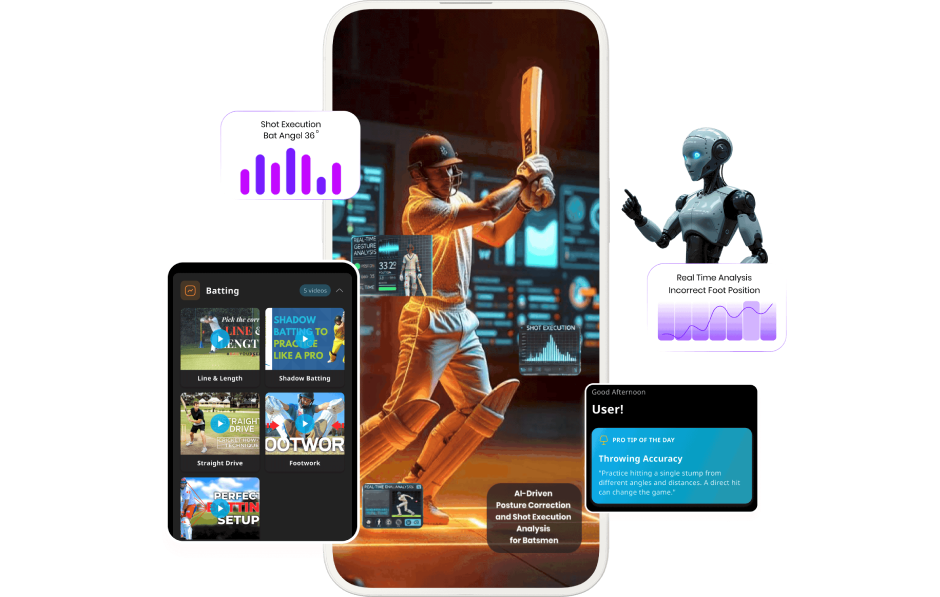
Sports
Support performance, analysis, and operational decision-making through data and vision-driven systems.

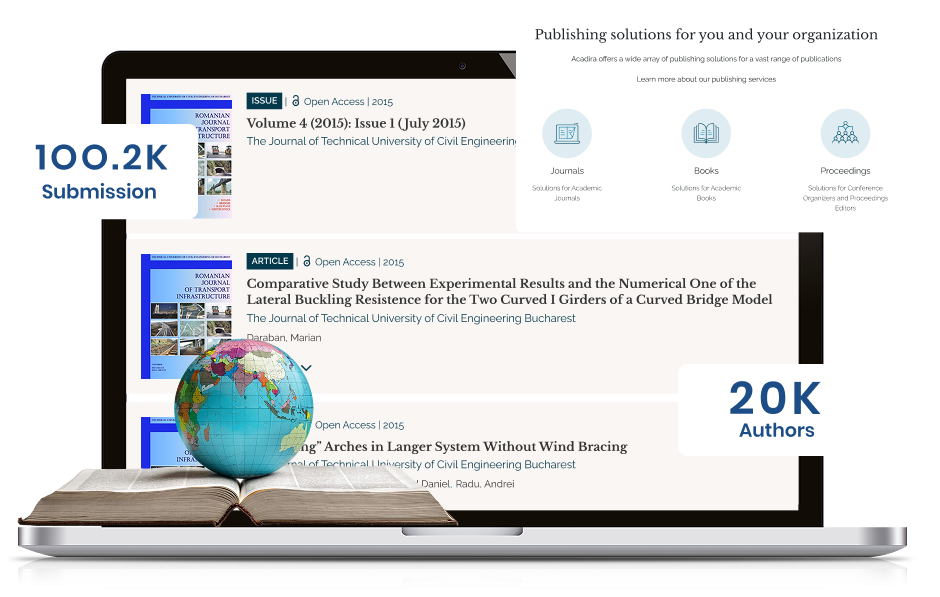
Media & Publishing
Enable scalable content operations, insight generation, and audience intelligence across platforms.

SaaS & Technology
Modernise and extend platforms to support scale, stability, and continuous product evolution.

Manufacturing
Improve inspection quality, defect detection, and shift-level decisions through AI and vision systems built for the factory floor.
Not sure whether to reconsider, restructure, or replace?
We assess your product, architecture constraints, and operational dependencies before recommending whether to restructure, replatform, or replace.
Our Expertise in Full Stack Technologies
 Node.js
 PHP
PHP Java
Java Python
 React
React Next.js
 HTML
HTML JavaScript
 Flutter
 Swift
Swift Kotlin
 Firebase
 MySQL
MySQL MongoDB
 AWS
AWS Google Cloud
 Microsoft Azure
 Docker
 Kubernetes
 Terraform

Perspectives on Engineering, Data, and AI
- IT Solutions for Manufacturing: 8 Systems That Cut Downtime, Defects and Cost
 IT solutions for manufacturing are software, data, cloud and AI systems that help a plant make more good parts with less downtime, scrap and manual… Read more: IT Solutions for Manufacturing: 8 Systems That Cut Downtime, Defects and Cost
 - Why Businesses Need AI Transformation to Stay CompetitiveArtificial intelligence is moving from an experimental technology to an important part of how modern businesses operate. Companies are using AI to automate workflows, analyze… Read more: Why Businesses Need AI Transformation to Stay Competitive
- AI HR Automation: How to Automate Payroll, Compliance, and Workforce WorkflowsAI HR automation uses artificial intelligence, workflow automation, document processing, and system integrations to reduce repetitive HR work and improve how businesses manage employee data,… Read more: AI HR Automation: How to Automate Payroll, Compliance, and Workforce Workflows
Want to Know More
How do you ensure the frontend, backend, and data layers stay aligned as the product evolves?
A single team owns the full system, such as architecture, application layers, APIs, and data so decisions across layers stay consistent. There is no handoff gap between frontend and backend because both are under the same engineering context.
We currently use separate vendors for frontend and backend. What problems does that typically create?
Separate vendors create ownership gaps when production issues span both layers; neither vendor owns the resolution. Architecture decisions also drift when frontend and backend teams are not working from the same technical context.
How do you decide which technology stack to use for our product?
Choose the stack from system requirements: performance, integration dependencies, security, data model, team maintainability, and cloud environment. The stack should follow architecture, not vendor preference.
How long does a full-stack engagement typically take from start to a production-ready system?
Timeline depends on scope, integration complexity, and data migration requirements. A focused product build or platform modernization typically takes twelve to twenty weeks. More complex multi-system engagements are scoped in detail after the architecture definition phase.
Can you modernize our legacy application without disrupting what is currently live?
Yes. The safer approach is phased modernization: assess dependencies, isolate high-risk components, migrate targeted modules, and release with monitoring in place so operations can continue without major disruption.
Build a Full-Stack System Your Team Can Own and Evolve
Share your requirements and we’ll help you design a scalable AI-driven solution.