

Control Cloud Costs Without Limiting What Your Engineering Team Can Build
Optimize infrastructure spending across AWS, Azure, and Google Cloud while keeping applications reliable, scalable, and ready for growth.
Trusted by Operations-Led Teams








Cloud Cost Optimization Services That Fit Your Infrastructure
We work on cloud decisions that directly affect recurring spend, covering infrastructure sizing, pricing models, storage policies, container usage, and cost governance aligned with how your workloads actually run.
Understand your current cloud spending, major cost drivers, resource utilization, and immediate opportunities for improvement.
Cloud Cost Assessment
Align compute and infrastructure capacity with actual workload requirements instead of paying for persistent unused capacity.
Resource Right-Sizing
Reserved Instances, Savings Plans, and spot capacity choices based on how predictable each workload’s usage is, reviewed and rebalanced instead of being locked in once and forgotten.
Commitment Strategy
Older data, backups, logs, and snapshots are moved into the right storage tier, with retention rules that prevent unnecessary long-term growth.
Storage Lifecycle Optimization
Node pools, pod resource requests, and namespace-level usage are tuned to prevent clusters from consuming more capacity than workloads actually require.
Kubernetes & Container Cost Optimization
Cost control for training, inference, and data pipeline workloads, where consumption patterns and pricing models behave differently from standard application infrastructure.
AI & Data Workload Cost Management
Tagging structure, budget alerts, approval checks, and a review cadence that keeps cost ownership visible after the first optimization cycle, not just during it.
Cost Governance & Tagging Setup
Where Cloud Costs Lose Engineering Accountability
Cloud costs become difficult to control when teams cannot clearly connect infrastructure usage with applications, workloads, customers, and business growth.
Cloud Spend That Nobody Owns End-to-End
Finance sees the invoice, but engineering teams often lack a clear breakdown of which product, workload, environment, or service created the cost.
Resources Sized for Peak, Running at Idle
Compute, databases, storage, and test environments are often sized for old assumptions, peak demand, or temporary needs that no longer reflect current usage.
Unclear Ownership Across Teams and Environments
When tagging, budgets, and cost accountability are inconsistent, spending stays visible only at the invoice level rather than at the workload or team level, where decisions can be made.
Commitment Instruments Bought Once, Never Revisited
Reserved instances, savings plans, and committed-use discounts can reduce unit cost, but they can also lock teams into waste if workload patterns are not reviewed first.
Storage, Logs, Backups, and Data Transfer Quietly Expand
Cloud costs often rise outside the core compute because retention policies, logging volume, backup frequency, and transfer patterns are not regularly reviewed.
Growing Spend From Data, AI, and Product Workloads
Analytics pipelines, AI workloads, APIs, and user platforms can increase usage quickly when budgets, alerts, scaling rules, and cost reviews are not built into the operating model.
Trusted by Growing &
Established Companies
Organizations need clarity on where automation creates value, how it affects operations, and what it will require to sustain. Our role begins at that point of decision.
6+
Years in engineering
and system delivery
90+
AI-skilled product
engineers
50+
Systems
modernized
30+
clients with 3+
years retention
Kudos from Clients
“BOSC Tech Labs Private Limited has delivered a solution with excellent PageSpeed insights and achieved easy post-launch management for the client. The service provider is highly responsive to the client’s changing requests. Their project management, timeliness, and client-orientedness are exemplary.”

De Ivett
CEO, 5D Spectrum
“BOSC Tech Labs has very good developers. they have a very broad knowledge. they understood exactly my concept and helped to make it mature. BOSC Tech Labs supported me all the way to production. You can see the final product in the App Store HipMeal.com. I will keep working with BOSC Tech Labs in the future.”

Said Zejjari
CEO, HipMeal & HipSmile
“I am satisfied with the way of work. BOSC Tech Labs has remarkably enhanced our proficiency in Flutter software, thanks to their dedicated and transparent approach in education. Their skilled and knowledgeable team has been a standout in our collaborative workflow.”

Brock Bradshaw
Tech Lead, UME
“This is the 1st time I worked with BOSC Tech Labs, which wasn’t a personal recommendation. They delivered above the expected level. Their one-person team expertly developed an MVP with innovation, significantly boosting customer engagement. Their swift approach & consistent delivery beyond expectations made the project a resounding success.”

Samir Lakhani
CEO, Letsplay
“The amazing team to work with, and they provided us with great results. We’re thrilled with the on-time launch of our app’s beta version by the team, which significantly addressed our initial backlog and exceeded expectations. Their proactive project management and impressive quality of deliverables left us and our stakeholders thoroughly impressed.”

Nicholas Lavis
Co-Founder, Lumin
“Thanks to the efforts of BOSC Tech Labs Private Limited, the time required to launch new features has been reduced by 20%. The team has proved collaborative, responsive, and punctual, demonstrating a structured approach that contributed to a seamless collaboration.”

Nils Kröger
Managing Director, Workbase
“BOSC Tech has excellent mobile & web app development skills using Flutter technology. BOSCs expertise in Google Cloud & Flutter is remarkable, showcasing their depth of knowledge and versatility. Their team’s communicative & adaptable approach, with outstanding mobile app development skills, made our collaboration seamless.”

Bojana Miloradovic Parman
Product Development Lead, Airphoto
“The client was satisfied with BOSC Tech Labs Private Limited's efforts. The team provided regular status updates and demo presentations, showcasing excellent project management skills. Moreover, the team was experienced, pleasant to work with, and willing to help with challenging topics.”

Zoran Galic
Founder, QSoft Labs GmbH
“BOSC Tech Labs has successfully delivered complex applications to the client on time. The team has shown professionalism, great insights, and the ability to think through problems and provide scalable solutions. The client has also praised the team's responsiveness and flexible development schedule.”

Andrew Daniels
Founder & Co-Owner, Kaleo Design
“BOSC Tech Labs implemented features for the client's Flutter SDK and created good documentation. The team was helpful and demonstrated an impressive Flutter experience, guiding the client to create a Flutter version of their native SDK. BOSC Tech Labs delivered work on time and communicated quickly.”

Özgür Hangişi
Founder, WebInStats Yazılım Hizmetleri San. ve Tic. LTD. ŞTİ.
Cloud Cost Visibility Before Cost Decisions
Cloud cost decisions need a reliable view of the bill before any infrastructure changes are made. We separate the invoice into engineering and business categories so teams can see what is expected, what is avoidable, and what needs deeper review.
Cost by Business Function
Break cloud spend into products, teams, departments, environments, or business units so the bill is not treated as one shared infrastructure number.
Cost by Cloud Service
Separate compute, storage, databases, networking, observability, containers, AI workloads, and managed services because each category behaves differently.
Production and Non-Production Split
Show how much spend supports live systems versus development, staging, testing, sandbox, and temporary environments.
Fixed and Variable Spend
Distinguish always-on resources, committed usage, autoscaling workloads, batch jobs, and demand-based services, so teams know which costs can actually move.
Cost Movement Over Time
Compare spend against traffic, release cycles, customer growth, new workloads, and seasonal demand to understand why costs changed.
Untagged and Unallocated Spend
Expose cloud resources that cannot be traced to a workload, owner, product, or environment because of missing or inconsistent tagging.
Identify Where Your Cloud Spend Needs Engineering Attention
Get a practical view of your biggest cost drivers, resource inefficiencies, and optimization opportunities.

How BOSC Structures and Delivers Cloud Cost Optimization
Our approach follows a structured path from cost baseline assessment through spend mapping, waste identification, optimization implementation, and governance handover.
Establish the Current Cost Baseline
We start by separating cloud spend across accounts, services, environments, workloads, and billing categories so the current cost position is clear before changes are made.
Map Spend to Usage and Ownership
Cloud costs are tied to the products, teams, environments, and workloads that generate them, so engineering and finance can work from a shared operating view.
Identify Waste, Risk, and Required Capacity
Idle resources, oversized infrastructure, commitment gaps, and storage growth are separated from capacity that protects performance, availability, or business-critical workloads.
Prioritize Optimization Actions
Each cost action is ranked by savings potential, engineering effort, operational risk, and business impact, so teams know what to fix first and what needs deeper review.
Implement Safe Cost Changes
Agreed changes are applied across rightsizing, scheduling, autoscaling, storage lifecycle rules, commitment planning, and cloud configuration with validation at each stage to protect production reliability.
Set Governance and Review Cadence
Budgets, alerts, tagging rules, reporting flows, ownership models, and review cycles are put in place so cloud cost optimization continues as workloads, traffic, and business priorities change.
Success Stories Shaped by a Structured Approach
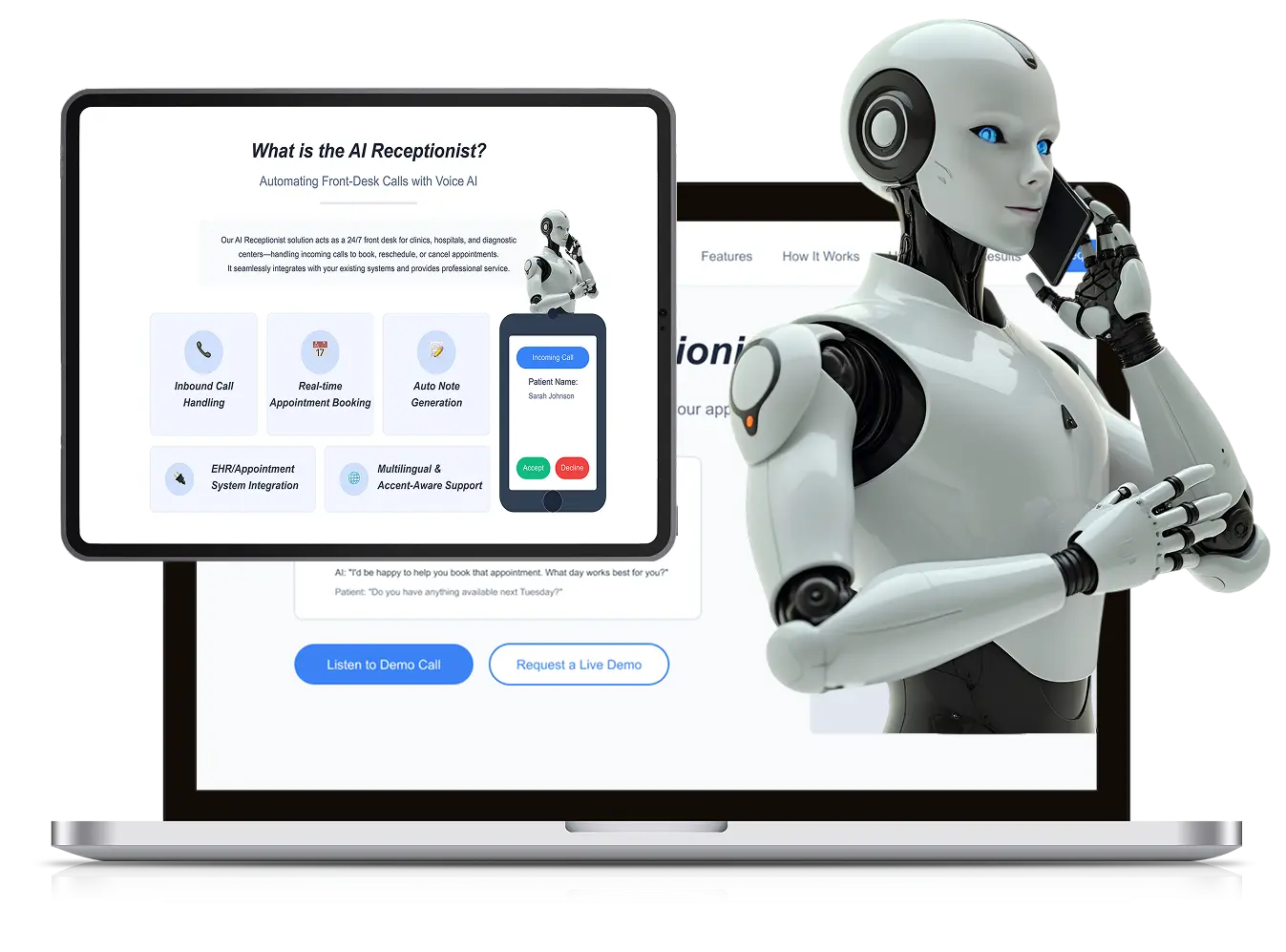
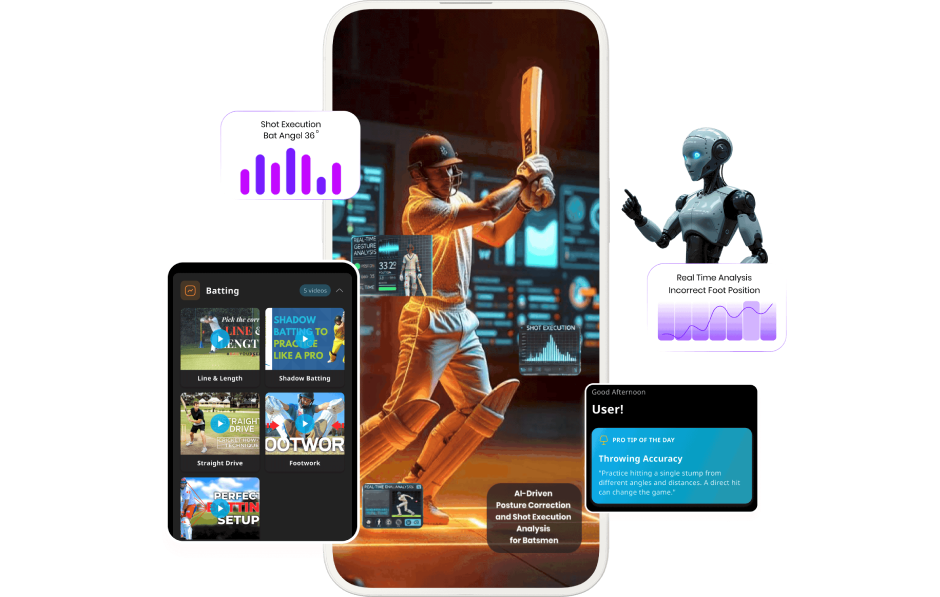

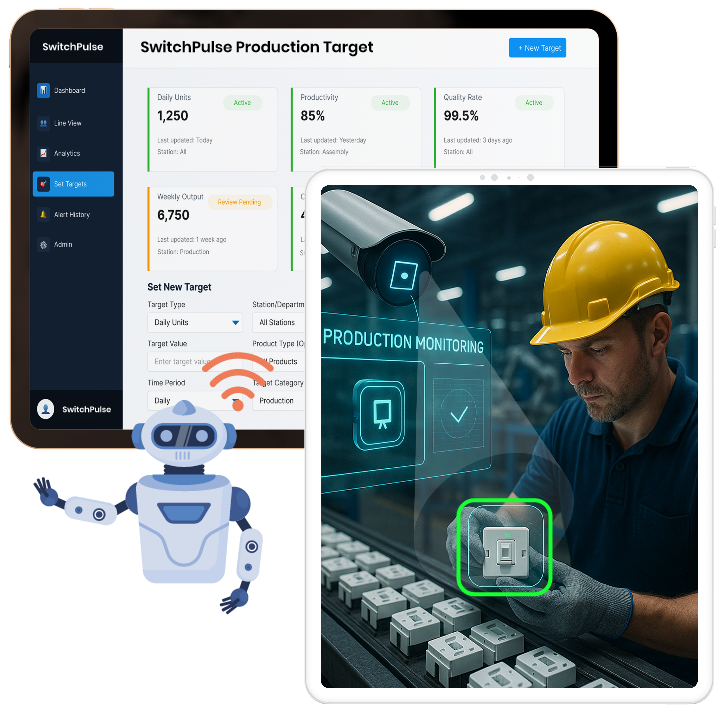
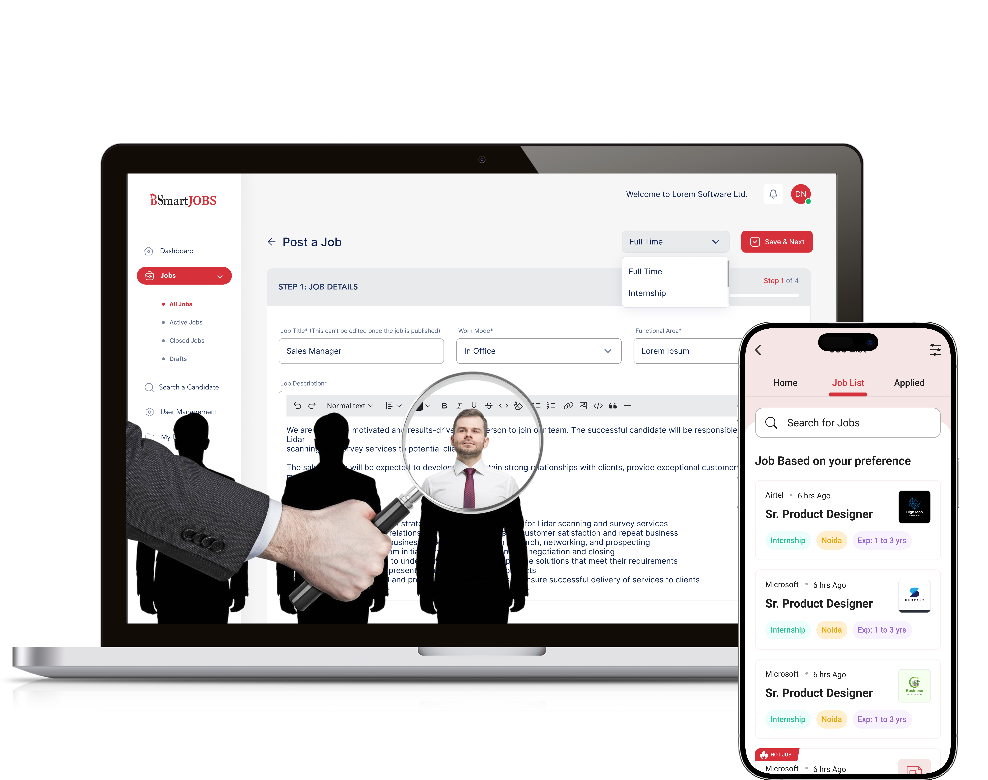
Why BOSC for Cloud Cost Optimization Services
Cloud cost is treated as an engineering ownership issue, not just a billing problem. That means changes are grounded in workload behavior and production requirements, not invoice line items.

Engineering-Led Cost Decisions
Review spend against workload behavior, architecture, and production needs so cost changes do not create performance or reliability issues downstream.
Practical Governance for Growing Teams
Define tagging, budgets, alerts, and review cadence around how your teams already build and operate cloud systems, not around an idealized governance model.
Production-Safe Optimization
Separate waste from protected capacity before resizing, removing, or redesigning cloud resources so production reliability is not put at risk during optimization work.
Clear Optimization Priorities
Translate cost findings into a ranked action path based on savings potential, engineering effort, business impact, and operational risk so teams know what to address first.
Industries We Work With
Our work spans industries where teams handle complex workflows, heavy information flow, and high stakes for consistency and speed. We adapt the system design to your operating model and not generic patterns

Healthcare
Strengthen operational systems and intelligence without disrupting clinical or patient workflows.

Sports
Support performance, analysis, and operational decision-making through data and vision-driven systems.

Media & Publishing
Enable scalable content operations, insight generation, and audience intelligence across platforms.

SaaS & Technology
Modernise and extend platforms to support scale, stability, and continuous product evolution.

Manufacturing
Improve inspection quality, defect detection, and shift-level decisions through AI and vision systems built for the factory floor.
Cloud Platforms and Workloads That We Optimize
We work across cloud platforms, infrastructure layers, and workload types where recurring spend is most often created, expanded, or left without sufficient operational control.
 AWS
AWS Microsoft Azure
 Google Cloud Platform
 Kubernetes
 Docker
 Terraform
 Ansible
 GitHub Actions
 GitLab CI/CD
 Jenkins
 CloudWatch
 Azure Monitor
 Google Cloud Operations
 Datadog
 Grafana
 Prometheus
 Snowflake
 Databricks
 BigQuery
 PostgreSQL
 MongoDB
 Redis
Redis OpenAI Azure OpenAI
 Vertex AI
 NVIDIA GPU



Perspectives on Engineering, Data, and AI
- IT Solutions for Manufacturing: 8 Systems That Cut Downtime, Defects and Cost
 IT solutions for manufacturing are software, data, cloud and AI systems that help a plant make more good parts with less downtime, scrap and manual… Read more: IT Solutions for Manufacturing: 8 Systems That Cut Downtime, Defects and Cost
 - Why Businesses Need AI Transformation to Stay CompetitiveArtificial intelligence is moving from an experimental technology to an important part of how modern businesses operate. Companies are using AI to automate workflows, analyze… Read more: Why Businesses Need AI Transformation to Stay Competitive
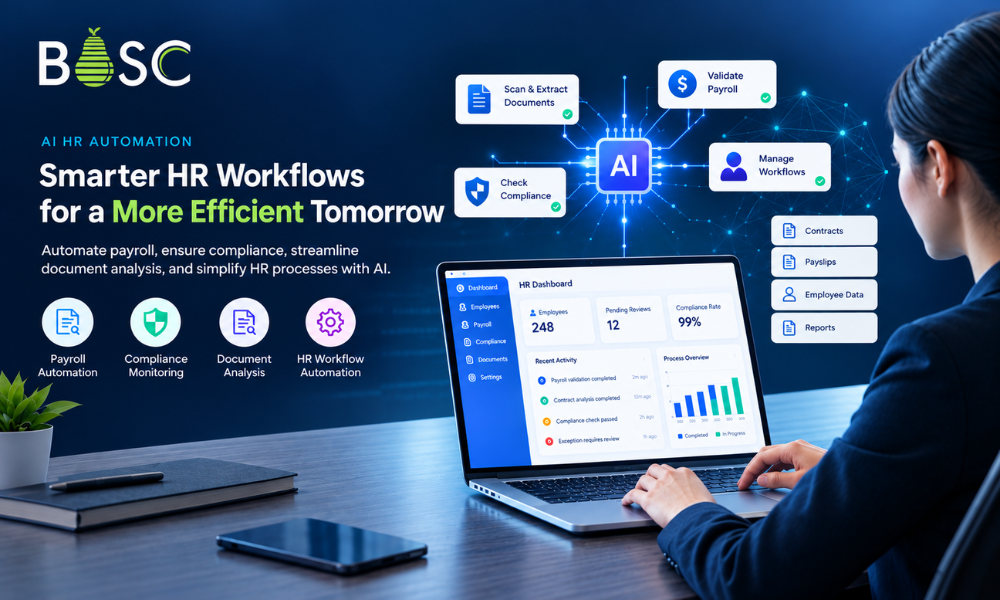
- AI HR Automation: How to Automate Payroll, Compliance, and Workforce WorkflowsAI HR automation uses artificial intelligence, workflow automation, document processing, and system integrations to reduce repetitive HR work and improve how businesses manage employee data,… Read more: AI HR Automation: How to Automate Payroll, Compliance, and Workforce Workflows


Want to Know More
How long does a cloud cost optimization engagement typically take from assessment to implemented changes?
The timeline depends on the number of cloud accounts in scope, the complexity of tagging and ownership gaps, and the number of workload types that require optimization. A focused engagement covering compute rightsizing, storage lifecycle, and governance setup typically completes the initial changes in 6 to 10 weeks. Broader multi-cloud or Kubernetes-heavy environments are scoped after the cost baseline assessment.
Can you optimize AWS, Azure, and Google Cloud?
Yes. BOSC can assess and optimize AWS, Microsoft Azure, Google Cloud, and multi-cloud environments based on workload requirements and spending patterns. See how BOSC reduced cloud costs by 76% in a real multi-cloud environment.
Can you reduce our cloud costs without affecting the performance of systems our customers depend on?
Yes, when changes are based on workload behavior. Rightsizing, scheduling, storage lifecycle rules, pricing commitments, and autoscaling can reduce waste without cutting protected production capacity.
Do you work across multiple cloud providers or only one?
Yes. We work across all major public cloud platforms, container environments, data workloads, and AI compute systems. The engagement is scoped around where your cost exposure sits, regardless of which provider or combination of providers you use.
How often should cloud cost optimization be reviewed?
Cloud costs should be reviewed continuously, with deeper reviews after major releases, traffic changes, new workloads, infrastructure migrations, or changes in cloud pricing commitments.
Build a Cloud Cost Model Your Engineering and Finance Teams Can Own
Share your requirements and we’ll help you design a scalable AI-driven solution.